
Checking San Bernardino County Criminal History
Begin with the record’s purpose, not a broad name query. The San Bernardino Court Access Portal, also called CAP or Odyssey, answers whether the Superior Court filed a case and what happened in court. The Sheriff’s inmate locator answers whether a person is in county custody, has a projected release, or appears on a recent release list. Reports remain with the Sheriff or the city police department that made them. California DOJ supplies a person’s own statewide fingerprint record.
Gather an exact name, spelling variants, date of birth, and any case or booking number. A common name can point to the wrong person. Each system has a different update cycle, so confirm a result with the office that created it.
- Search CAP for filed charges, hearings, and the court disposition.
- Check the Sheriff inmate locator for current or recent county custody.
- Request the arrest or incident report from the arresting agency.
- Use California DOJ Live Scan to review your own statewide record.
- Use CDCR CIRIS or federal systems if custody moved beyond the county.
San Bernardino Court Portal Fields
CAP is the county’s main public court entry point, but its tools are not a statewide rap-sheet search. The portal’s case-number mode accepts from five through sixteen alphanumeric characters. Login and registration links appear for functions that may be conditional, while the public landing page provides a route to search case information. Case questions belong with the clerk, not the technical feedback address.
The Superior Court’s official home page shows the services and location routes behind that portal.
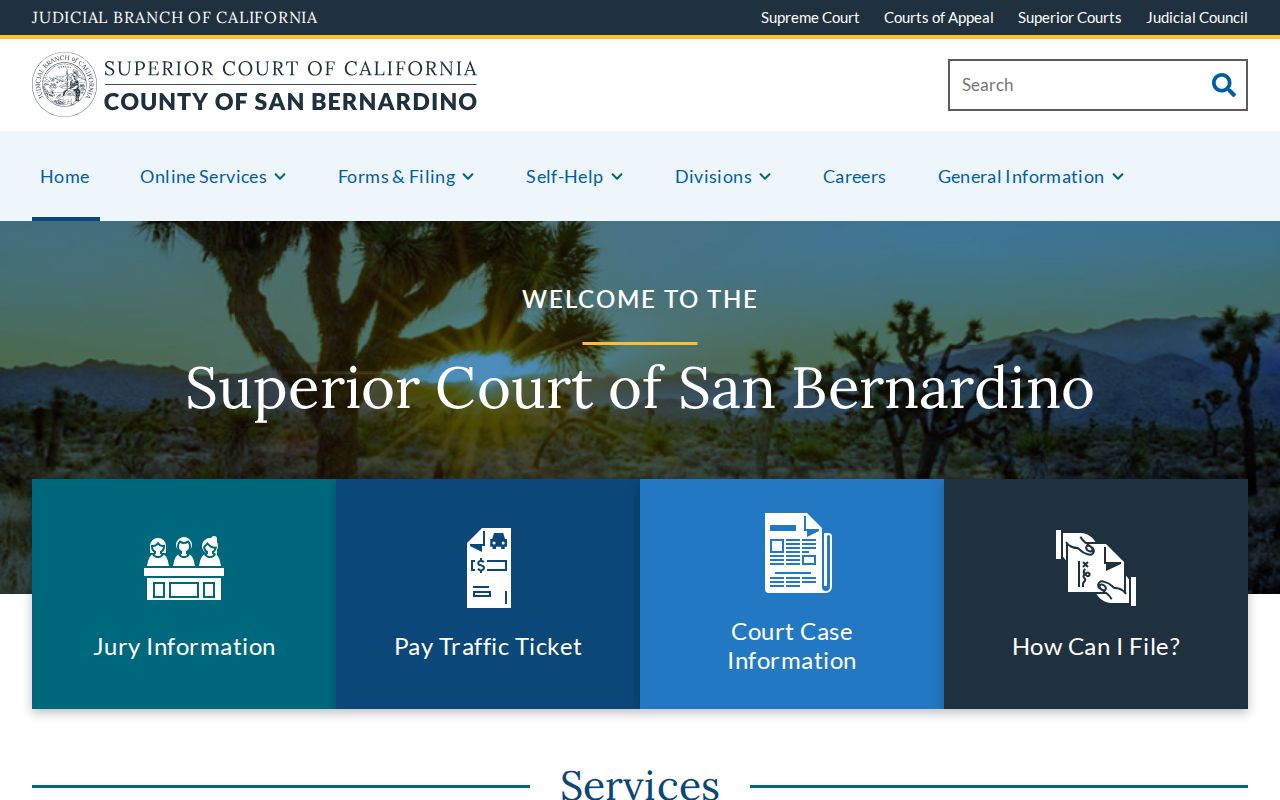
The court page is the sound starting point when CAP does not reveal the right division or counter.
| CAP field | How it works |
|---|---|
| Case number | Enter 5 to 16 letters or numbers. |
| Login or register | May be needed for limited functions. |
| Search case information | Opens the county case lookup. |
| Online payment | Available only for eligible matters. |
California Official Background Checks
California does not provide an open public DOJ name search for another person’s full criminal history. The official self-review route is the California Department of Justice Record Review process. The person whose record is requested completes form BCIA 8016RR, visits a listed Live Scan provider, submits fingerprints, and pays the $25 DOJ processing fee plus the provider’s rolling fee. DOJ notes that some applicants may qualify for a processing-fee waiver.
The California DOJ fingerprint page separates personal record review from checks authorized by statute.
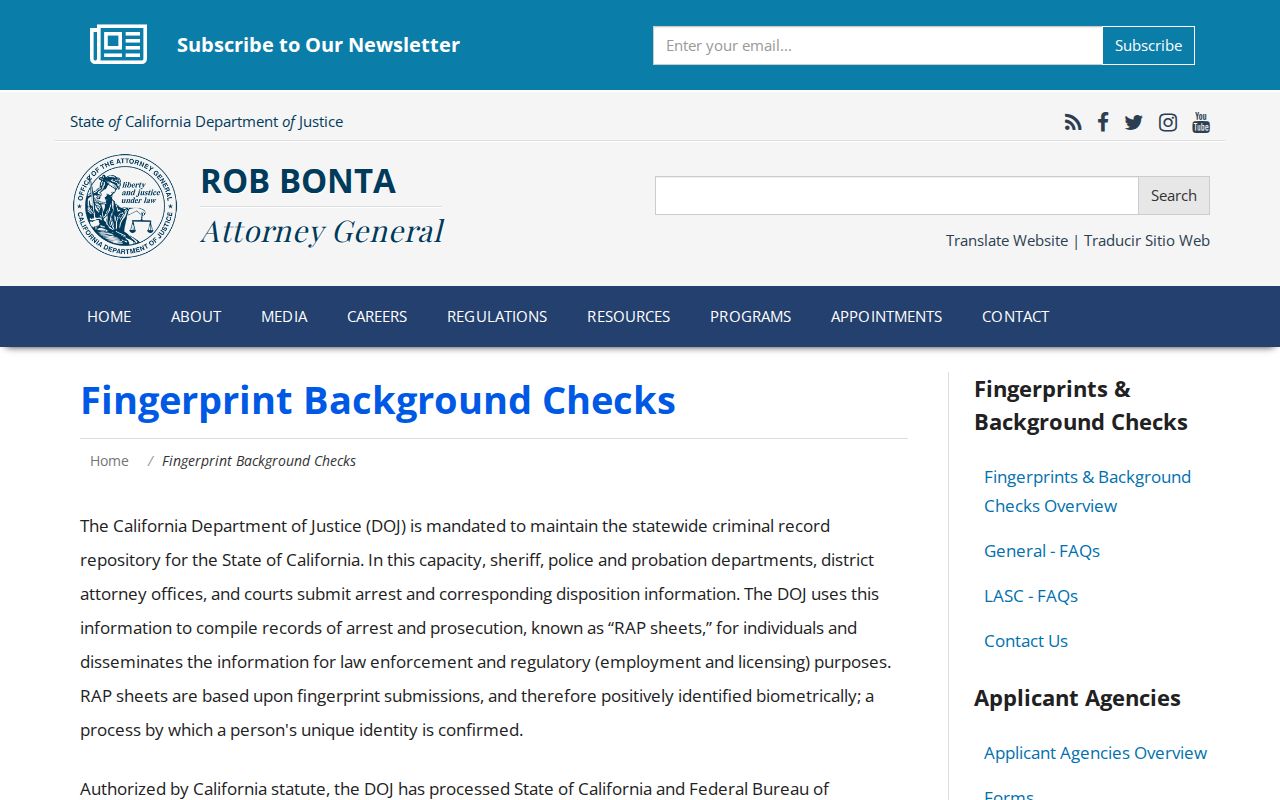
That distinction matters because a county court search cannot replace a fingerprint-linked California summary record.
San Bernardino Sheriff Records Channels
The Sheriff’s Records Division is the fallback for department reports and other Sheriff-held material that does not appear in the court or jail search. Requests can go online through the county NextRequest portal, in person at headquarters or a local station, or by mail to the Records Division at PO Box 569, San Bernardino, CA 92402. Public counters operate Monday through Friday, 8:00 a.m. to 5:00 p.m., except holidays. Anonymous requests are possible, but restricted records may require government-issued identification.
The Sheriff’s official site lists headquarters and dispatch channels.

The linked Sheriff page remains the authoritative route for current contact details.
Sheriff Records Division
655 East Third Street
San Bernardino, CA 92415-0061
909.387.8313 Valley dispatch
Monday-Friday, 8 a.m.-5 p.m.
Criminal Division
247 West Third Street
San Bernardino, CA 92415-0240
909.384.1888
Monday-Friday, 8 a.m.-4 p.m.
San Bernardino County Criminal Record Types
A record’s label reveals who controls it. Police and deputies create incident and arrest reports. The Detention and Corrections Bureau creates booking and release data after jail intake. Prosecutors file charges, while the Superior Court creates the docket, filings, pleas, orders, disposition, and sentence. California DOJ links fingerprint-supported arrest cycles and reported outcomes into a state summary record. Probation and parole records track two different forms of supervision.
No one source proves the whole sequence. Use the source closest to the event, then compare it with the court outcome.
- Arrest and incident reports: Held by the arresting Sheriff or police agency.
- Booking records: Held by the Sheriff for county jail custody.
- Court files: Held by the Superior Court clerk.
- State summaries: Held by California DOJ and available for personal review.
- Prison records: Located through CDCR CIRIS.
San Bernardino Jail Search Clues
The county inmate locator accepts a 10-digit booking number or a name search. Name mode uses last and first name, with middle name, date of birth or approximate age, and gender. An approximate-age search covers two years before and after the age entered. Separate lists show projected releases and people released from custody during the dates offered by the site.
The Detention and Corrections Bureau page identifies the county facilities and custody services. Current booking data belongs in the inmate locator, while current court dates should be checked with the Superior Court.
When San Bernardino Records Disagree
A new booking can appear before a prosecutor files charges. A court may later dismiss a charge even though the police report and booking cycle still exist. The disposition can also take time to reach the fingerprint-based state summary. These are separate records with separate legal uses, not copies of one master file.
Work forward from the event. Confirm the booking with the Sheriff, the filed case and outcome with the Superior Court, and your own statewide summary with California DOJ. If a result seems wrong, save the record number and ask the office responsible for that entry about its correction process. Sending a court error to the jail or a police-report issue to DOJ slows review because that office did not create the disputed field.
Inside a San Bernardino County Criminal Record
Fields change by source. A booking profile is built around custody intake, housing, bail, court information, and release. A court file focuses on charges, events, pleas, and outcome. A DOJ record ties fingerprint-supported identity data to arrests and reported dispositions. Reading the field labels before drawing a conclusion prevents a pending charge, a dismissed count, and a conviction from being treated as the same event.
| Name and identifiers | Legal name, aliases, birth information, and source-specific identifying numbers. |
|---|---|
| Arrest or booking | Arrest date, agency, booking number, bail, housing, and release fields. |
| Charges and statutes | The alleged offense and California code citation. |
| Disposition | Dismissal, acquittal, plea, conviction, or another court result. |
| Sentence | Custody, fine, probation, and court-ordered terms when public. |
| Supervision | County probation, state parole, or custody status from its own agency. |
San Bernardino County Custody Layers
County jail and state prison are separate layers. The Sheriff operates the Central Detention Center, Glen Helen Rehabilitation Center, High Desert Detention Center, and West Valley Detention Center. A person sentenced to state prison may later appear in California Incarcerated Records and Information Search, or CIRIS, instead of the county roster. CIRIS can show a CDCR number, age, current location, commitment counties, admission date, and parole-hearing information.
The California Department of Corrections and Rehabilitation explains the state prison system.
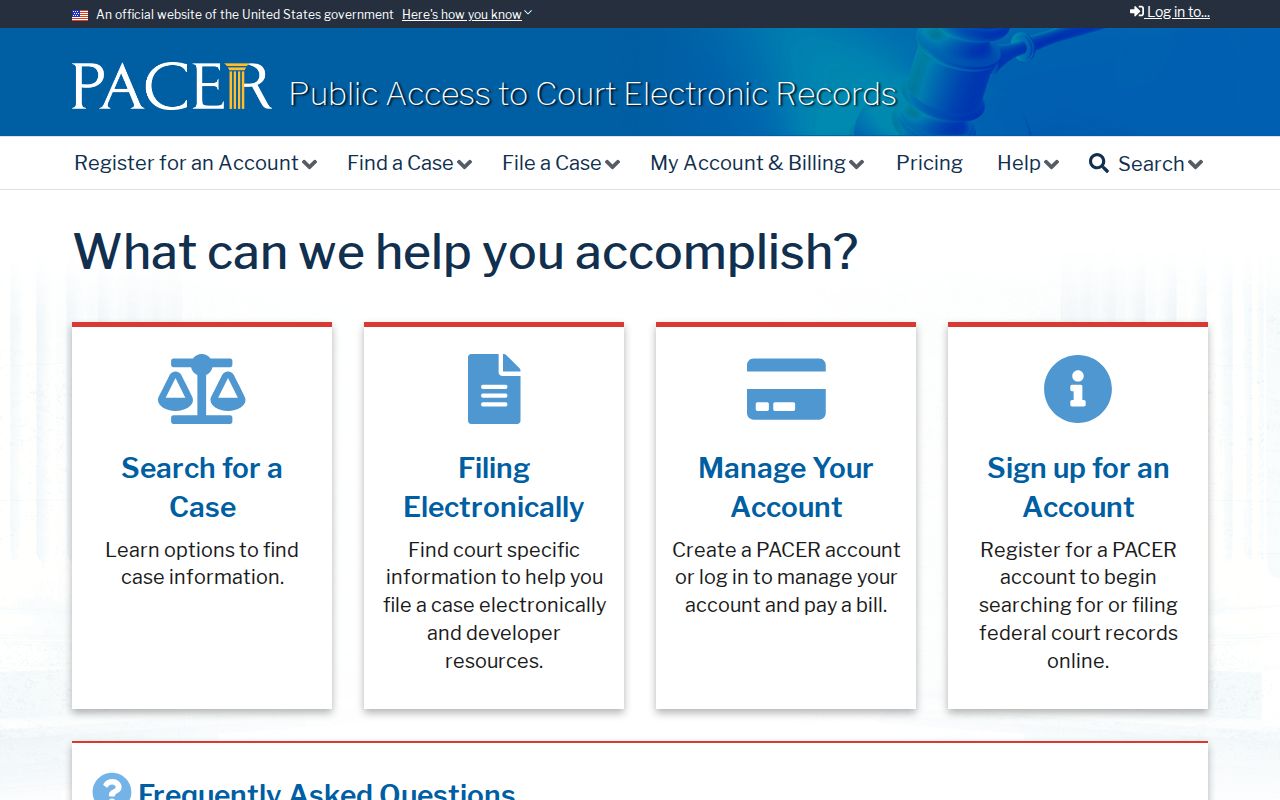
Federal cases and custody form a third layer, using PACER and the federal Bureau of Prisons locator rather than county or CDCR tools.
San Bernardino Warrant Record Routes
A warrant is a court order, while a police response is only one way to learn about it. The research did not identify a complete public web database for every active San Bernardino County warrant. A person trying to resolve a possible warrant should contact the relevant court clerk and the agency tied to the case. Sheriff dispatch numbers are 909.387.8313 for the Valley and 760.956.5001 for the Desert.
Bench warrants arise in court and should be checked against the case file. A CPRA request can seek releasable agency material, yet legal and safety limits may keep some details from release. Do not rely on an old docket printout to decide whether a warrant remains active.
California Public Access Laws
The California Public Records Act applies to records held by public agencies, but it does not turn every law-enforcement detail into an open file. Court records follow court access rules. State and local summary criminal history is governed by separate dissemination laws. Victim and witness details, medical information, birth dates, Social Security numbers, juvenile material, and other protected fields may be withheld or redacted.
Key statutes:
California Public Records Act sets the general right to request agency records and the grounds for limits.
Penal Code section 11105 controls DOJ state summary criminal history dissemination.
Penal Code section 13300 governs access to local summary criminal history.
Penal Code section 851.91 provides a petition route to seal qualifying arrests without conviction.
San Bernardino County Justice Offices
Several offices may touch the same event but serve different roles. The District Attorney reviews and files charges. The Public Defender represents qualifying defendants. County Probation supervises adult and juvenile cases ordered to probation. Their files do not replace the clerk’s public case record, and access to supervision or defense files may be limited.
The San Bernardino County Probation Department lists its programs and locations.
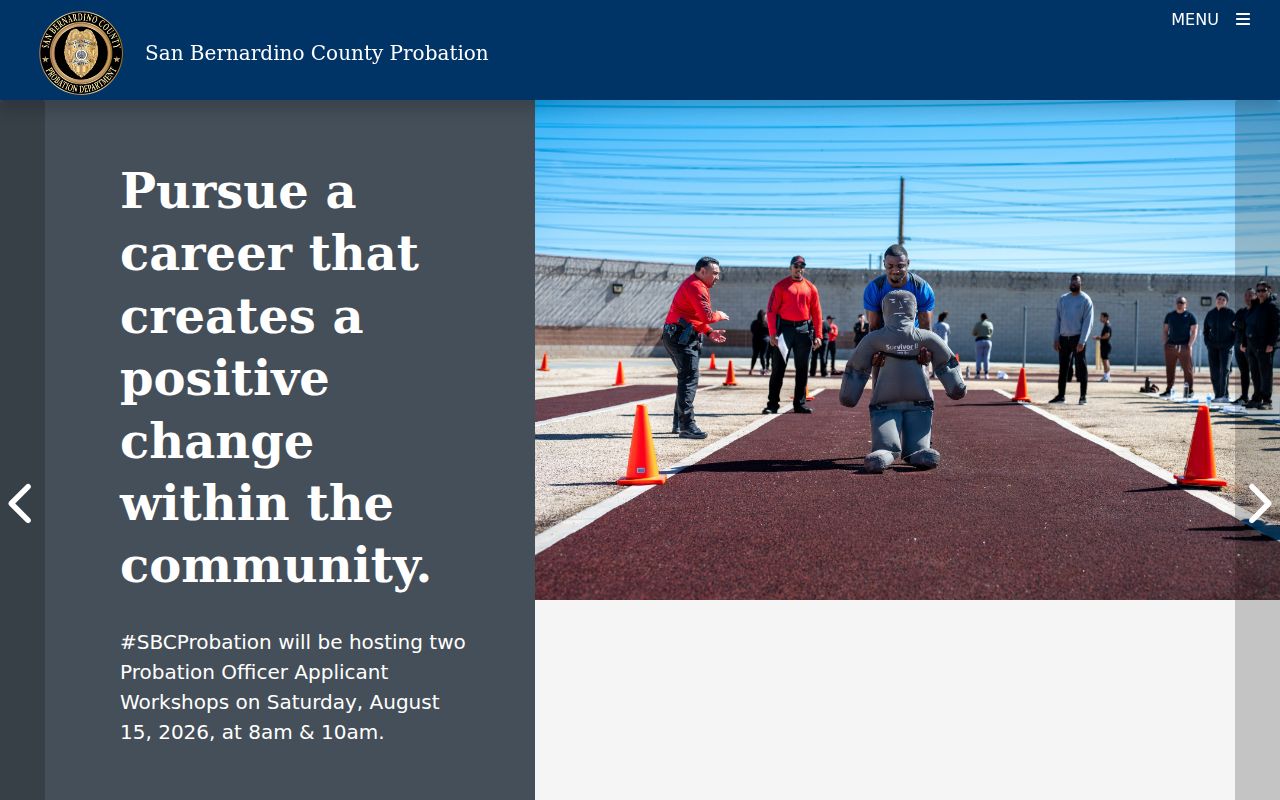
Central Adult Services is at 401 North Arrowhead Avenue and can be reached at 909.386.1810.
The District Attorney’s official site provides court and case routing.
The DA links readers back to the Superior Court’s Odyssey case lookup for public case information.
San Bernardino County Defense Records
The Law Offices of the Public Defender is another core part of the local justice system, but attorney work files are not a substitute for the public court docket. The main office is at 323 West Court Street, San Bernardino, CA 92401, with phone service at 909.382.3950. The agency describes a staff that includes attorneys, investigators, social workers, and support personnel.
The Public Defender’s official site lists services and office locations.
For filed charges, hearing dates, and the final outcome, the Superior Court record remains the public source.
San Bernardino Probation and Parole
Probation is county-run, while parole is state-run. San Bernardino County Probation operates adult and juvenile services. CDCR’s Division of Adult Parole Operations supervises state parole, with Southern Region offices serving the area. A court docket may state that probation was ordered, but it will not function as a live supervision file.
Court-ordered terms start in the case file. County supervision questions go to Probation. State parole and parole-hearing information belongs with CDCR and the Board of Parole Hearings. Public access varies because supervision files can contain details that do not become part of an open court record.
Sealed, Expunged, and Restricted Records
California uses several forms of record relief. Penal Code section 1203.4 permits dismissal relief after qualifying probation or sentence conditions, commonly called expungement. Penal Code section 851.91 provides a route to seal certain arrests that did not lead to conviction, while section 851.8 addresses factual innocence. Automatic relief may apply under section 1203.425. Each remedy has its own test and effect.
Relief does not mean every record held by every agency is physically erased. A portal entry may change or disappear from public view, while authorized agencies may retain access. Juvenile records follow separate rules, and the Sheriff directs people outside the authorized group in Welfare and Institutions Code section 827 to petition Juvenile Court.
San Bernardino County Crime Data Shift
Crime totals describe reported events, not a list of people with criminal records. San Bernardino County Community Indicators reported that the overall county crime rate rose 12 percent from 2023 to 2024, while remaining 3 percent below 2020. Violent crime rose 33 percent in that year but stayed below the levels recorded from 2020 through 2022. Those figures offer context, not proof about any person.
San Bernardino Police also reported a 2025 shift from traditional UCR reporting to incident-based IBR/NIBRS. The counting method can change how incidents and offenses appear across years. Compare like measures and read the source notes before treating a trend break as a sudden change in conduct.
San Bernardino Police Report Boundaries
City police departments retain the reports they write. San Bernardino Police uses a lobby form and identification rule. Fontana publishes report fees and a city public-records portal. Ontario routes public-record requests through GovQA and traffic reports through a separate channel. The Sheriff’s Records Division is not the counter for every event inside the county’s borders.
Identify the reporting agency from the booking entry, case file, or incident details. Then use that agency’s records process. Sheriff events route through NextRequest or its records counter. City cases start with the city police office. Filed charges still move to the Superior Court regardless of which local agency wrote the report.
San Bernardino County Criminal Records by City
The three largest incorporated cities each keep the police reports they create, while jail booking and felony or misdemeanor court records move through county systems. California has no separate city municipal criminal courts. City pages therefore focus on the local records counter, report process, and city data, then route custody to the Sheriff and filed cases to the Superior Court.
San Bernardino Criminal Records
222,101 residents. City police publish adult arrest logs and a report-copy process.
Fontana Criminal Records
208,393 residents. Police reports and city CPRA requests use distinct channels.
Ontario Criminal Records
175,265 residents. The Records Bureau publishes detailed hours and service fees.